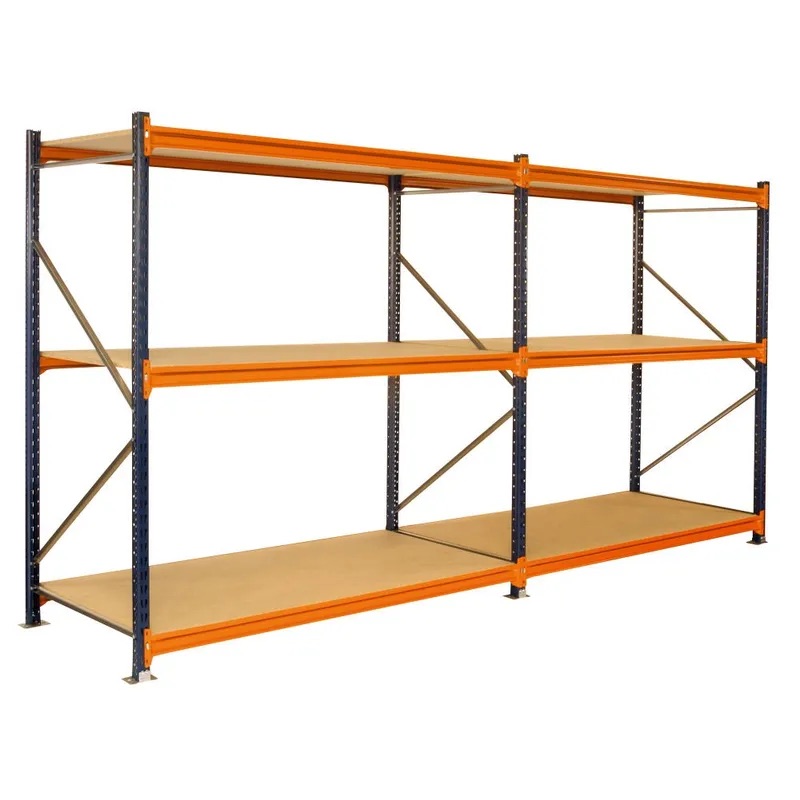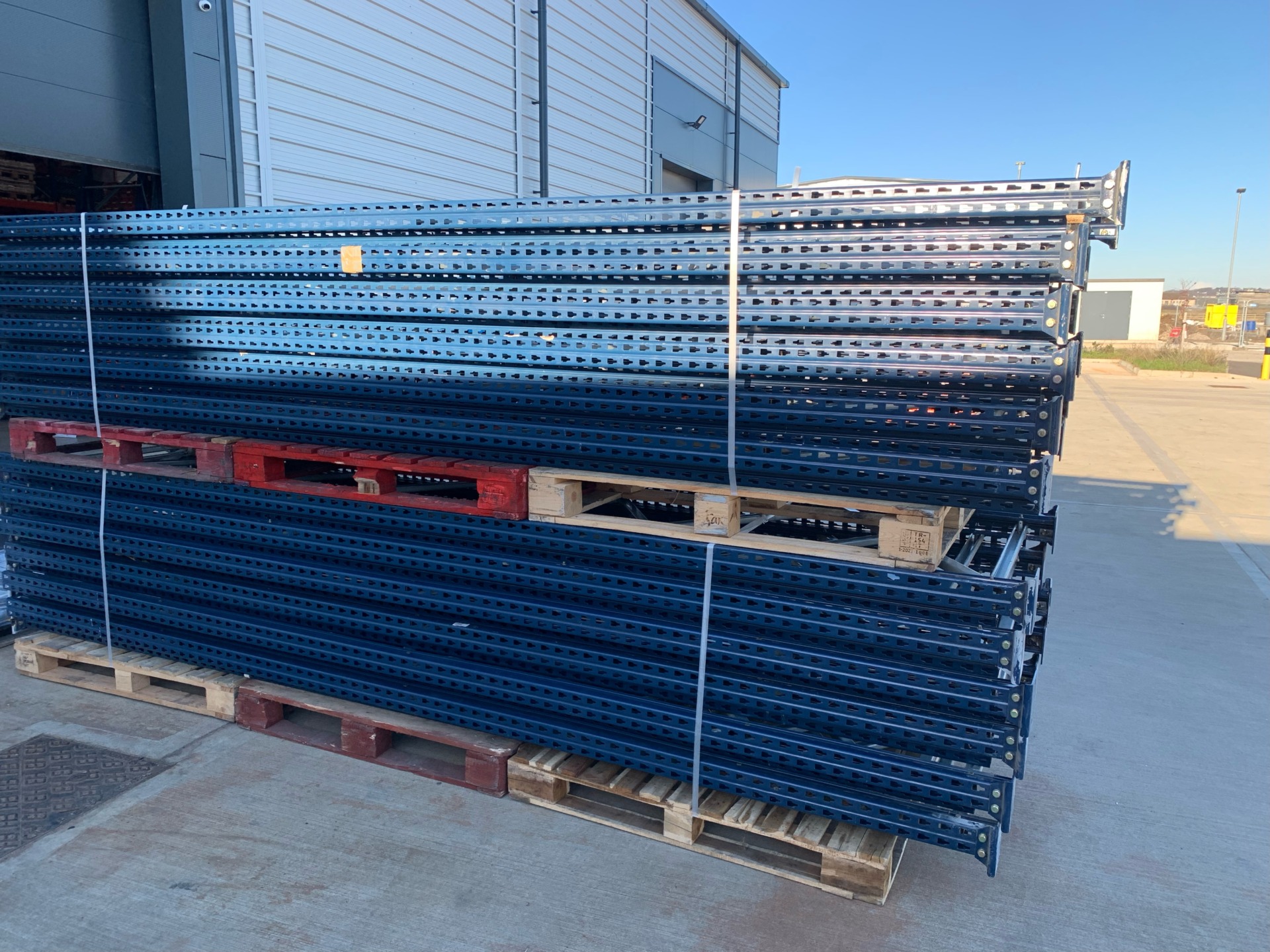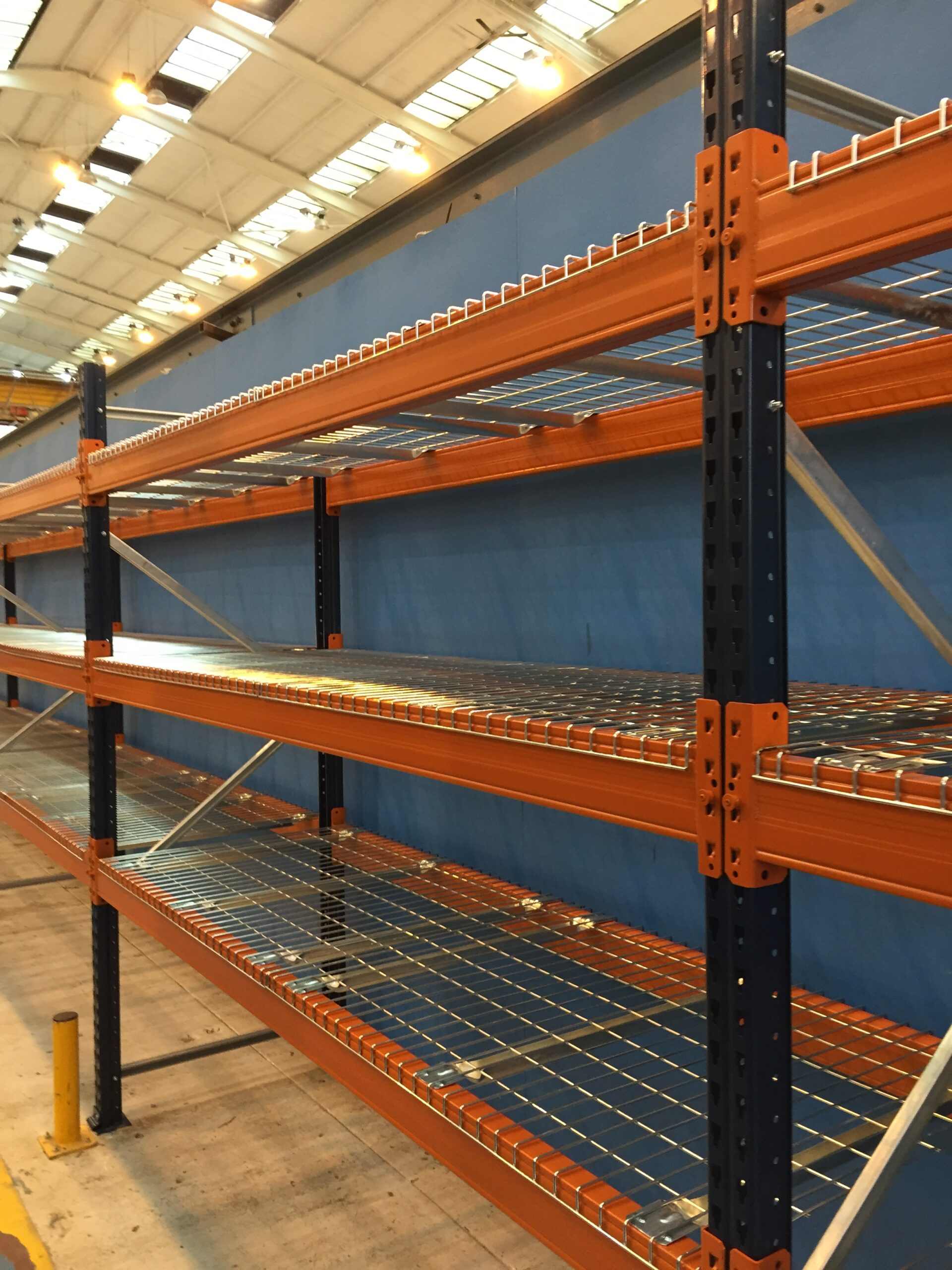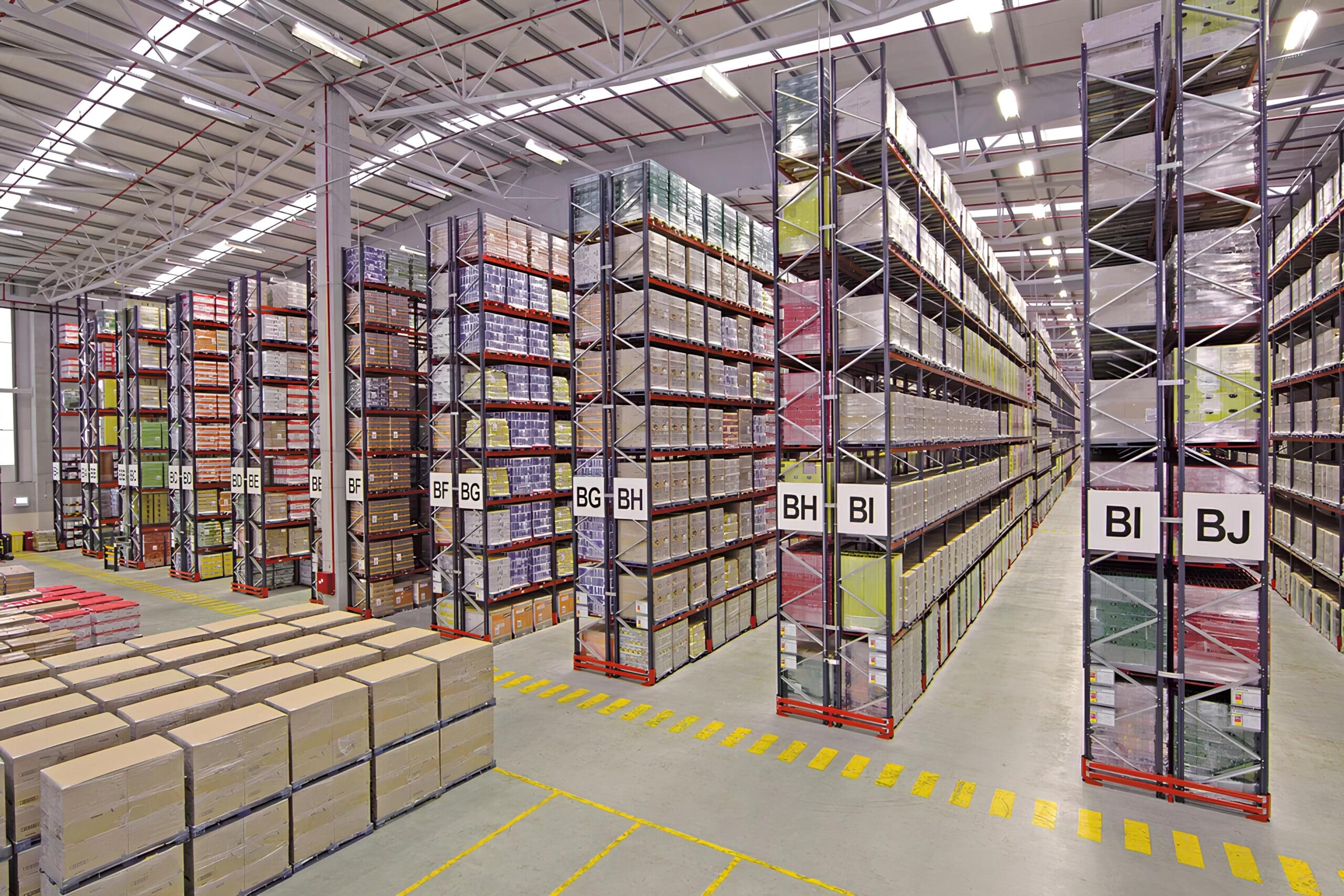
The key to warehouse capacity does not just lie in floor space. To make the most of the potential storage available, the right kind of apparatus needs to be in place to support the crates, pallets, or sacks that will be located there.
Having efficient warehouse racking can be particularly invaluable when demand for particular products rises and finding extra storage space is necessary. While firms may seek to hire or build more warehouses, this can be expensive, the available floor space may not be conveniently located, and any new build is by definition not a quick fix.
More and better racking, therefore, is important for tackling real-life situations that can impact various sectors, one of which may arise over the next 12 months.
A report in the Daily Telegraph has highlighted concerns by farmers that the persistent and heavy rain from one of the dampest winters on record could prove more than just a pest for anyone stepping outside much in recent months. With several major storms and widespread flooding, some farms have been so disrupted they may have no harvest this year.
The paper notes that this will be the first time since 1945 for some farms if this happens, with the Agriculture and Horticulture Development Board predicting a fall in wheat yields of 15 per cent, while winter barley is set to be down 22 per cent and oilseed rape by 28 per cent.
Speaking to the paper, Joe Stanley, a farmer in Leicestershire, warned that his land will be one of those farms unable to produce crops for the first time since the war if there isn’t a major change in the weather.
“Unless it basically stops raining today and then it becomes nice and sunny and windy, we’re not going to get any crops in this year. That’s a real danger,” he remarked.
If domestic produce falls, that means the shortfall will need to be made up by imports, although this could be more expensive due to higher demand and the possibility that other countries may have their own weather-related poor harvests.
Importing more food requires more storage at ports and distribution centres before it can make its way to processing plants or shops. This is where warehouse operators will need to act to find ways of raising their storage capacity, except when local storage space freed up by falling domestic production can be repurposed.
This kind of issue can apply to all sorts of goods, not just agricultural, and not just warehouses; for example, the UK had to reopen Centrica’s mothballed Rough Storage facility to bolster Britain’s gas supplies over the last two winters.
Indeed, all kinds of items need to be stocked up in greater numbers at times. An example will be building materials if signs the construction sector is recovering are authentic (the S&P Global UK Construction Purchasing Managers’ Index has just recorded its first month of growth in six months, with a slight uptick in March).
The overriding point is that whatever kind of goods your warehouse may stock, significant increases in demand can put your storage capacity under strain. With the right sort of racking to make the very most of the room you have, this problem can be resolved.