One of the most common questions we are asked is how much weight can pallet racking hold. It is a critical consideration for any warehouse, distribution centre or industrial unit. Load capacity affects safety, compliance and long term performance.
The short answer is that it depends on the system design. The weight capacity of pallet racking varies according to beam length, upright strength, bay configuration and the way loads are distributed. A correctly specified system can support several tonnes per bay, but it must be designed around your specific stock and layout.
Understanding load capacity in pallet racking
When clients ask how much weight can pallet racking hold, they are usually referring to beam capacity or bay capacity. Both are important.
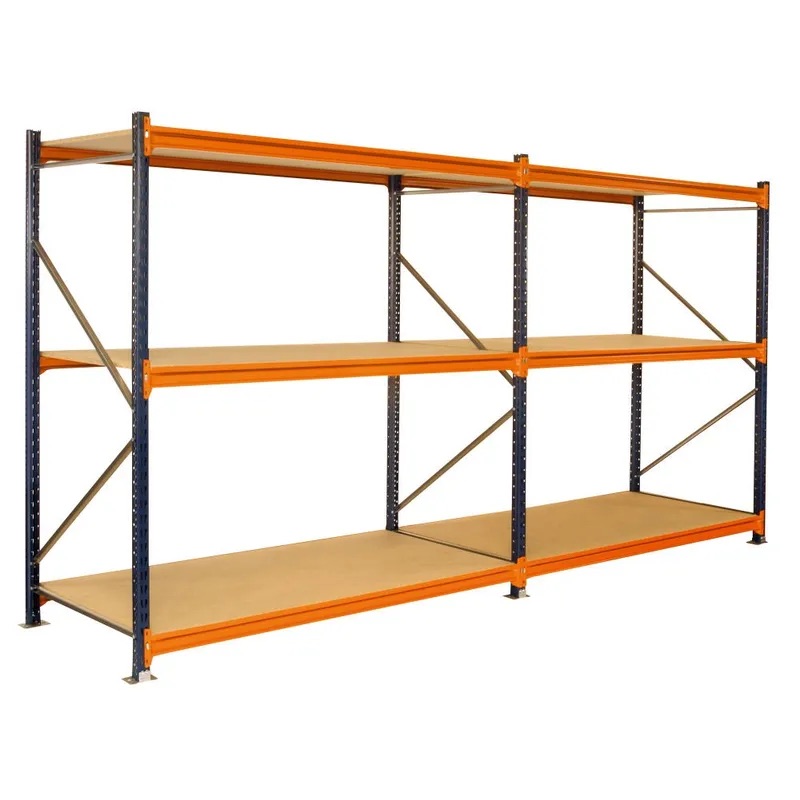
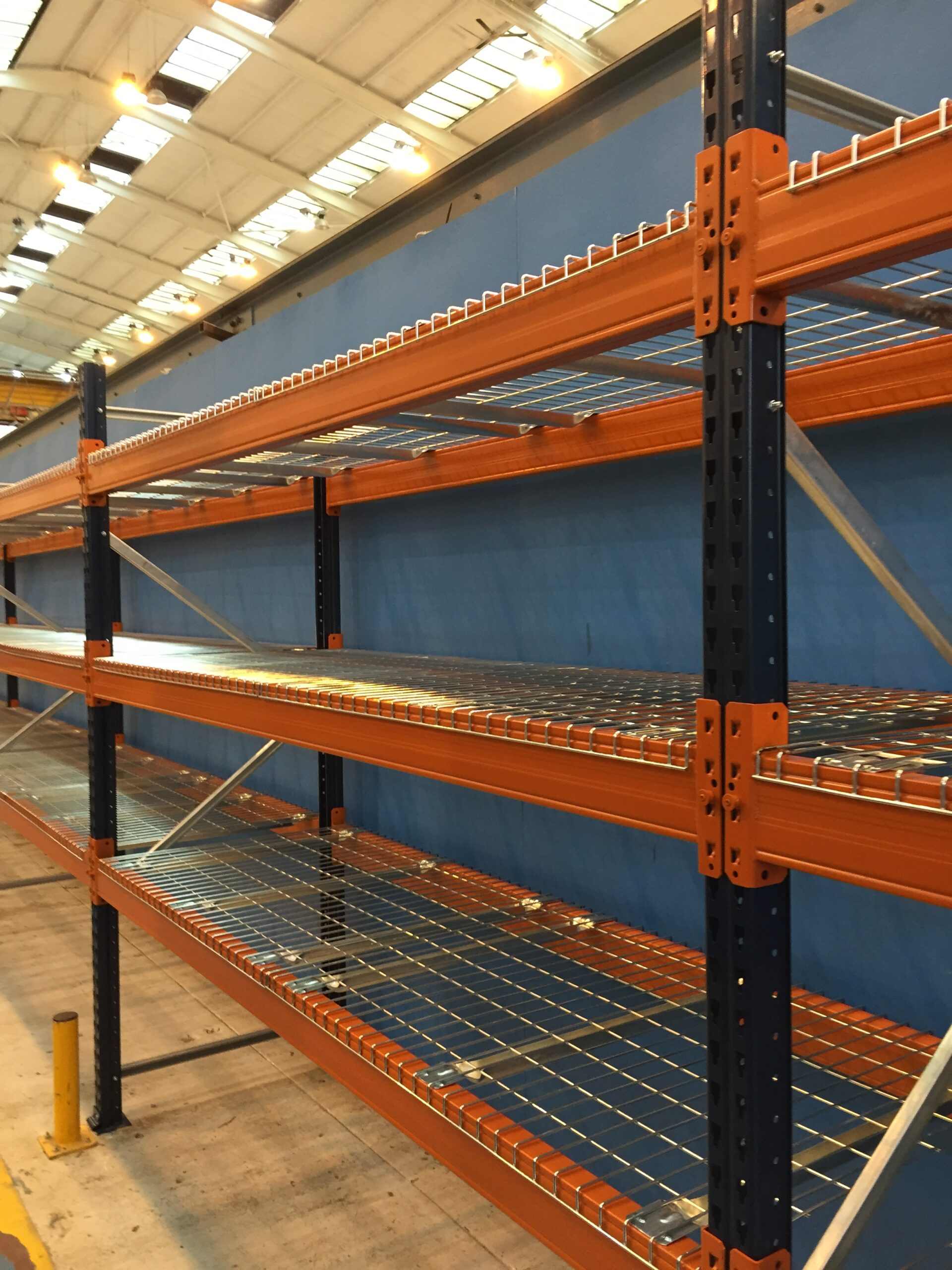
Beam capacity relates to the maximum weight a pair of beams can safely support. This is typically measured as a uniformly distributed load. In many standard warehouse setups, a single beam level can hold between 1000 kg and 3000 kg, depending on beam section and span length.
Bay capacity refers to the total safe load that the entire frame structure can carry. This includes all beam levels within that bay. The overall capacity must account for cumulative weight and structural limits.
If you are installing new pallet racking, the system should always be specified by load requirement first. Guesswork creates risk.
Key factors that determine how much weight a pallet rack can hold
Several factors influence how much weight can a pallet rack hold in real world use.
Beam length and profile
Longer beams carry more deflection and generally have lower load ratings. Heavier duty beam profiles increase capacity but must be matched with suitable uprights.
Upright height and thickness
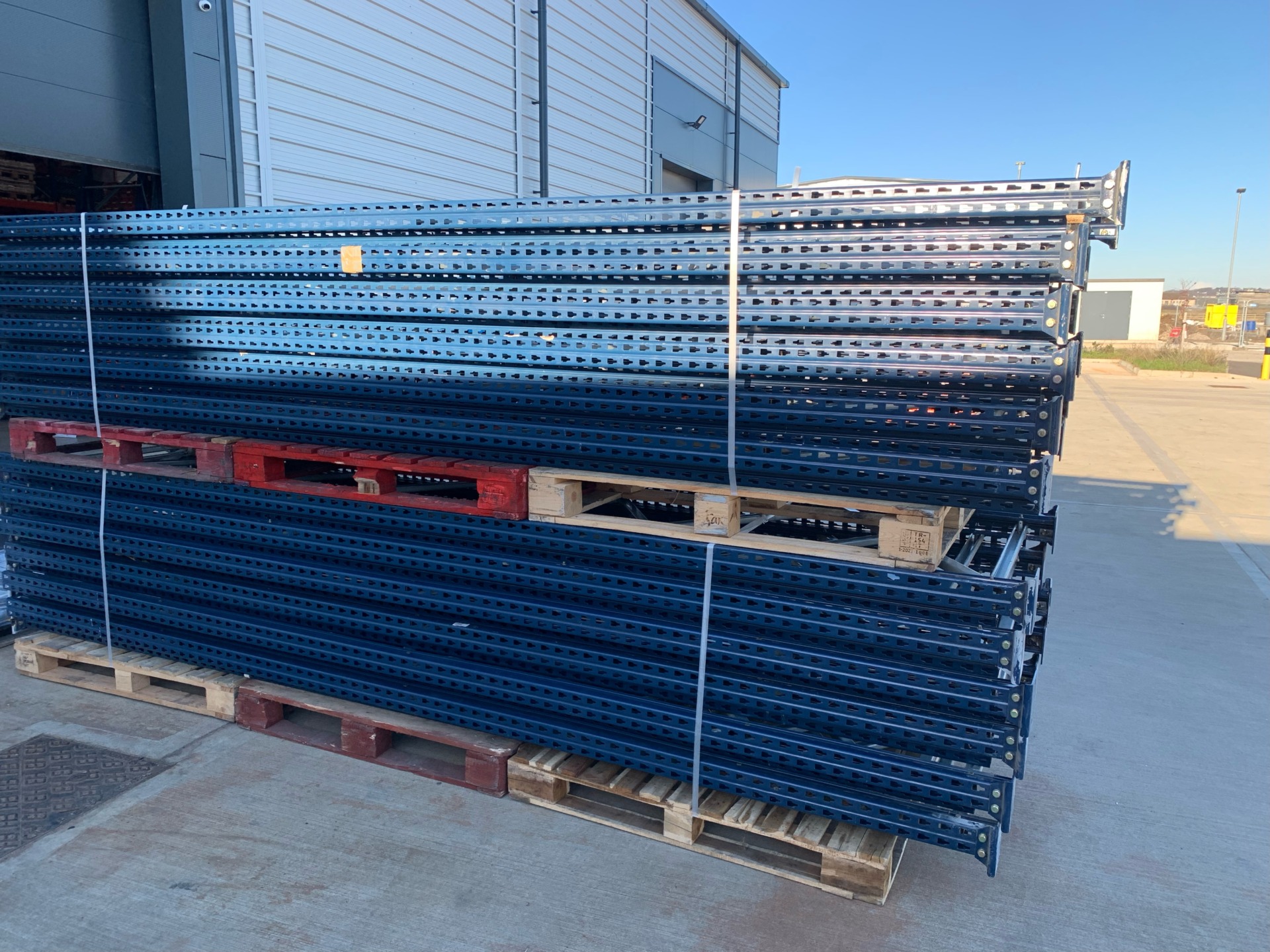
Taller frames require stronger uprights. The steel gauge and bracing pattern directly affect stability and load tolerance.
Load distribution
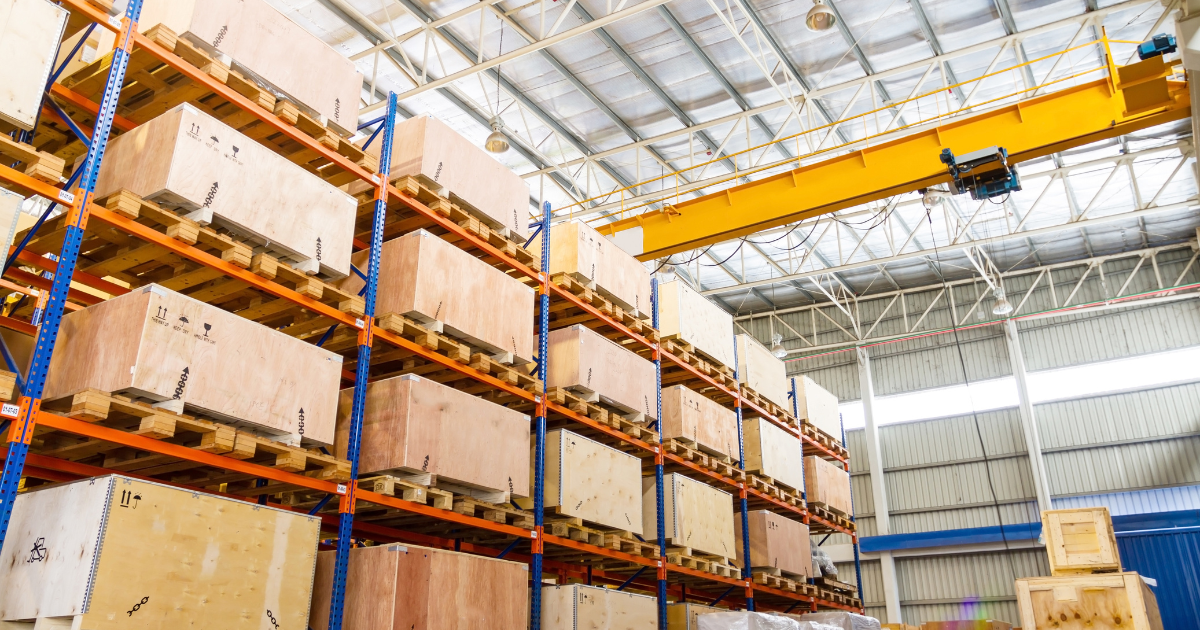
Pallets must sit correctly on beams. Loads should be evenly distributed across the beam pair. Point loading can reduce safe capacity significantly.
Floor condition and fixings
Pallet racking must be secured to a suitable concrete floor. The slab strength and anchor fixings form part of the overall structural integrity.
Configuration and layout
Double deep systems, narrow aisle layouts and high bay installations introduce additional design considerations.
We always recommend that pallet racking is designed in accordance with recognised standards such as the Storage Equipment Manufacturers Association guidance. This ensures structural calculations are accurate and compliant.
Typical weight capacities in UK warehouses
In standard adjustable pallet racking systems, a common configuration might include three beam levels, each rated at 2000 kg. This would provide a bay capacity of 6000 kg, assuming the uprights are rated accordingly.
However, high density or heavy duty installations can exceed this significantly. Some systems are engineered to carry 8000 kg or more per bay. Every project must be assessed individually.
If you are exploring new racking for your warehouse, our pallet racking systems are designed to meet a wide range of industrial requirements. We also supply a broader range of racking solutions for different storage environments.
Why safe load limits matter
Understanding how much weight can pallet racking hold is not simply about maximising storage. It is about protecting people, stock and premises.
Overloading is one of the most common causes of racking failure. Even small exceedances, repeated over time, can cause beam deflection or upright distortion. Damage may not be obvious until it becomes serious.
The Health and Safety Executive provides guidance on safe warehouse operations, which can be reviewed at hse.gov.uk. Clear load signage and regular inspections are essential.
Each installation should display load notices showing maximum bay and beam capacities. These figures must match the original design calculations.
How to ensure your pallet racking is correctly rated
If you are unsure how much weight can a pallet rack hold in your facility, the safest step is to review the original specification. Load notices, engineering drawings and manufacturer documentation should confirm capacities.
If documentation is missing, a professional inspection should be carried out before increasing loads. Modifications such as adding extra beam levels or increasing pallet weight require reassessment.
At UK Shelving, we help businesses specify, supply and configure pallet racking that matches their operational needs. We assess stock type, pallet weight, handling methods and future growth plans before recommending a system.
The right answer to how much weight can pallet racking hold depends entirely on your application. When properly designed and installed, pallet racking provides safe, reliable and high capacity storage for demanding environments.
If you would like advice on selecting the right system for your warehouse, please get in touch with our team through our contact page. We will be happy to help you plan a safe and efficient solution.