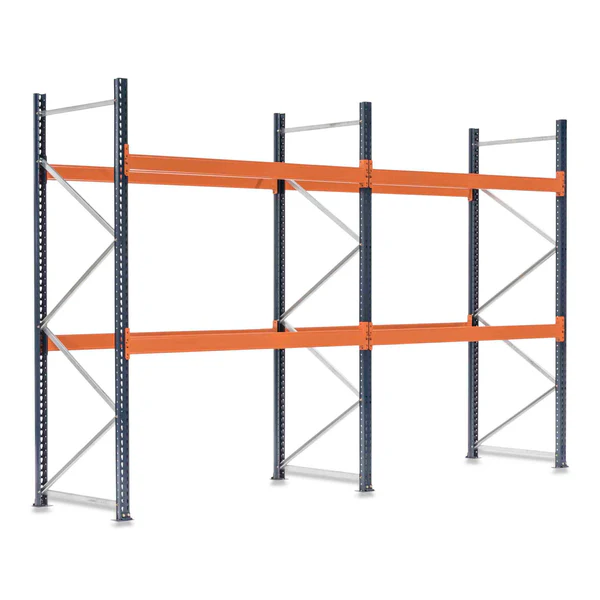
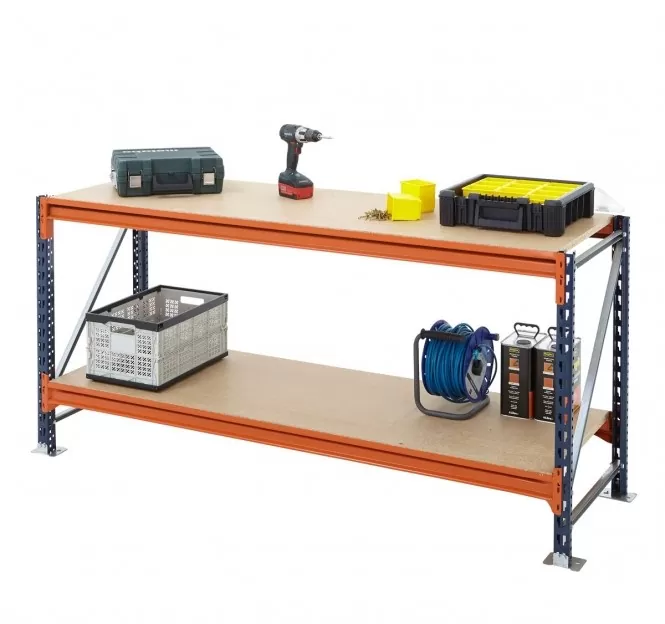
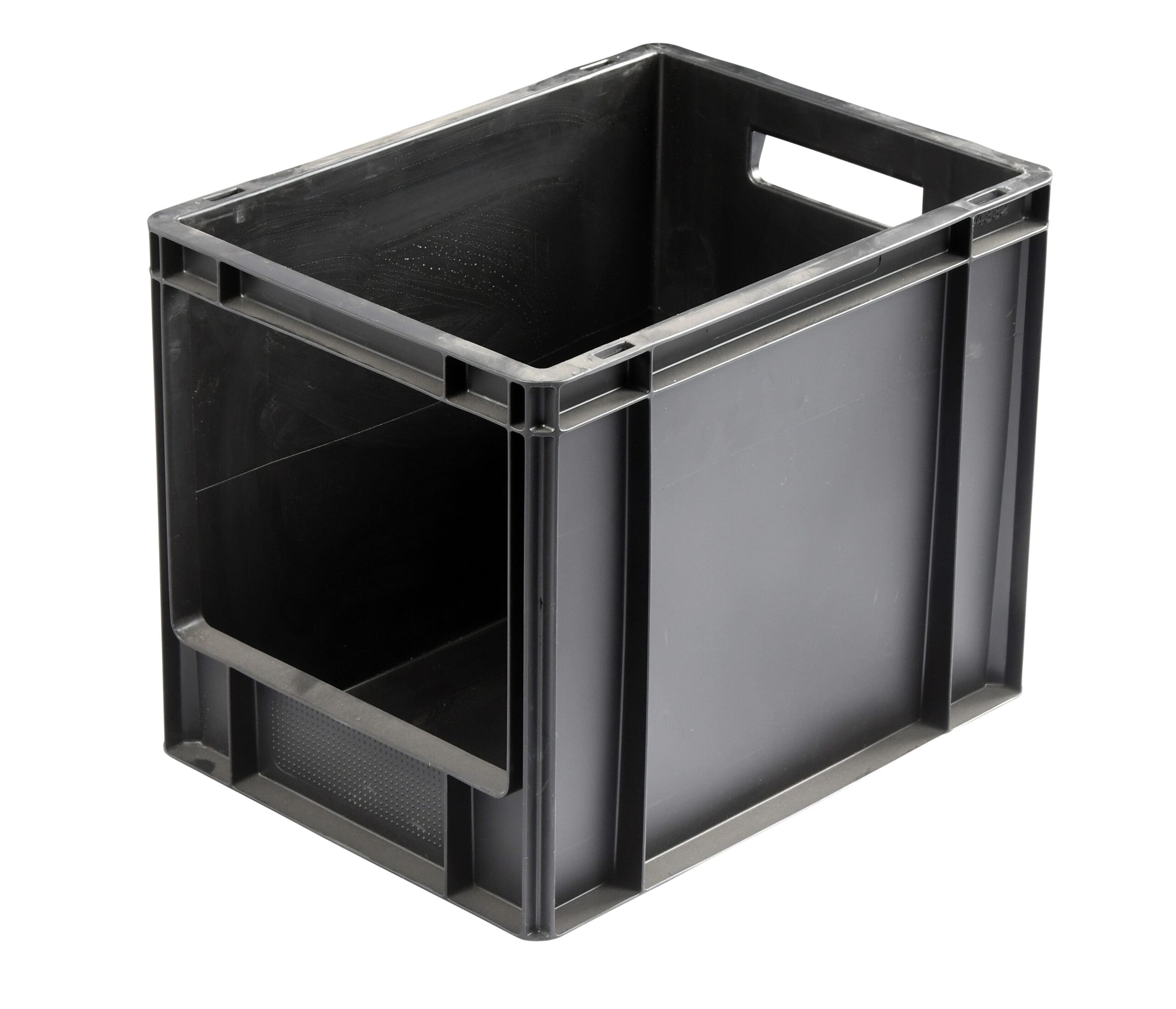
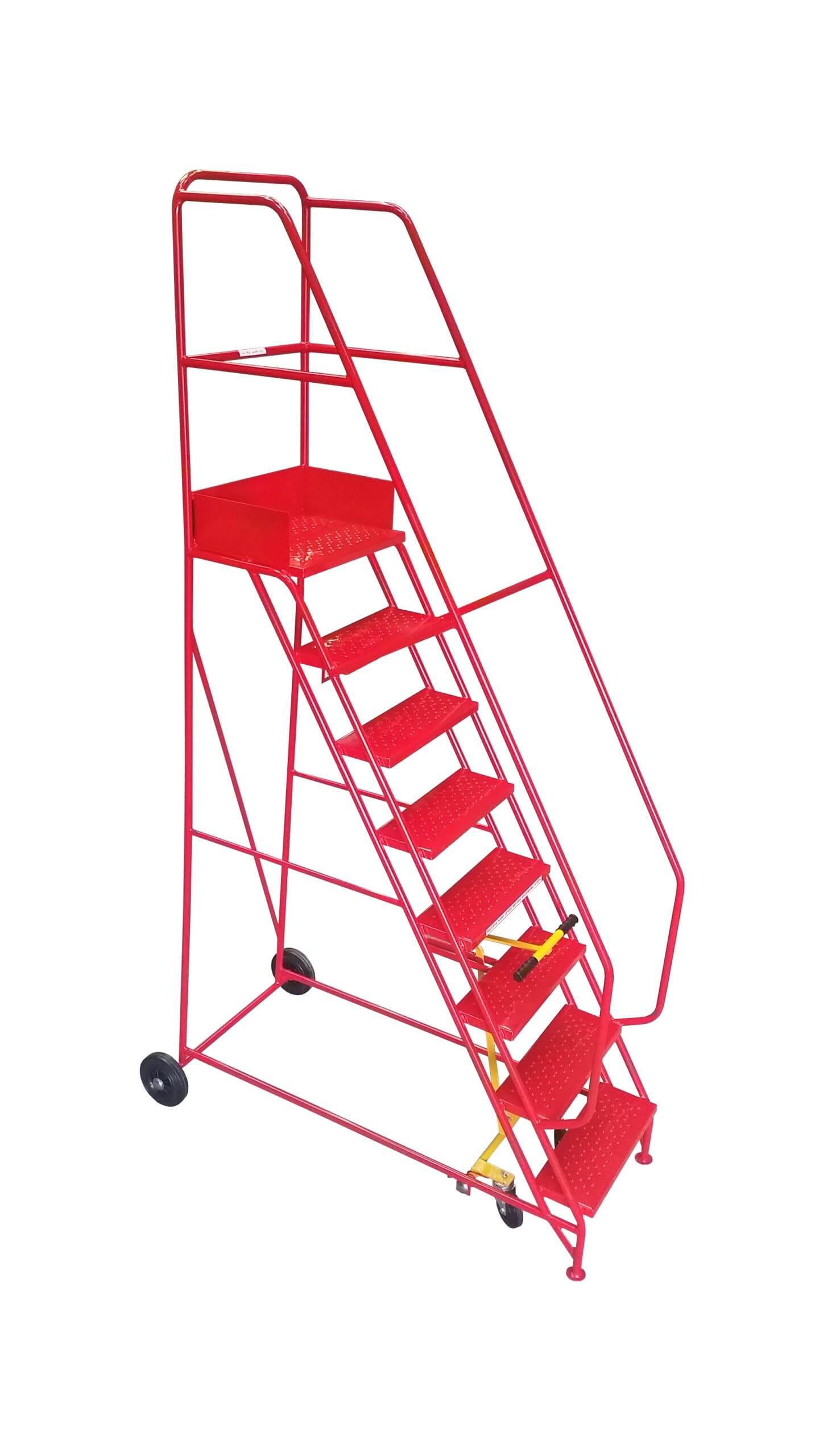


A warehouse storage system should be appropriate, versatile, durable and fit for the space it is being constructed in, and for many businesses, the length, width and height of shelving and racking solutions will be based on the size of the building they are being constructed in.
However, other businesses ordering shelving to be installed alongside the construction of a warehouse building will have a clean slate on which to design their optimal storage system, with the potential for towering racks of inventory at a quite remarkable height.
This means that the major question about your shelving and racking height is not necessarily how tall you can build it but how high you should install it and it still remains practical, safe and fit for purpose.
Here are just a few factors that will go into this difficult decision.
Building Height Limits
Ultimately the most restrictive limit to the height of a shelving system is the height of the building it is in, and the limits to the height of any industrial building will be subject to legislation and planning guidelines.
In order to avoid a requirement to apply for planning permission, new industrial buildings, including warehouses, must be either lower than the tallest building on the land it is set to be built on or lower than 15 metres, whichever figure is lower.
This means a limit to indoor storage of just under 50 feet, discounting the depth of the roofing in question, room to actually lift and move high-stacked pallets, lighting and sprinkler systems, so any shelving without express permission otherwise will be under that size as well.
Forklift Reach
The only way warehouse storage functions effectively is thanks to the development of narrow aisle forklifts, and their widespread proliferation starting in the late 1950s made the modern warehouse and modern pallet racking possible.
This means that another major limit to how tall the shelving units can be will be the maximum reach height of the fleet of forklifts the business uses.
High, narrow aisle forklifts can reach over 16.5 metres high (55 feet), but in practice, most forklifts are more likely to have a reach capacity of lower than 5 metres (15 feet).
Whether the added expense of extended-reach trucks is worth the space-saving will depend on each business, and in some cases, there may be diminishing returns if the cost of specialist equipment is higher than the money saved in a larger floor plan.
Types Of Products
Certain products are best stored in certain locations than others, with conventionally shaped equipment that needs to be rarely accessed being the most suitable inventory for high warehouse storage.
By contrast, unusually shaped inventory, and stock that is regularly used or is flying off the shelves should be as low as possible to facilitate a fast turnaround, otherwise, the money saved through efficient warehouse design could be wasted through inefficient warehouse workflow implementation.
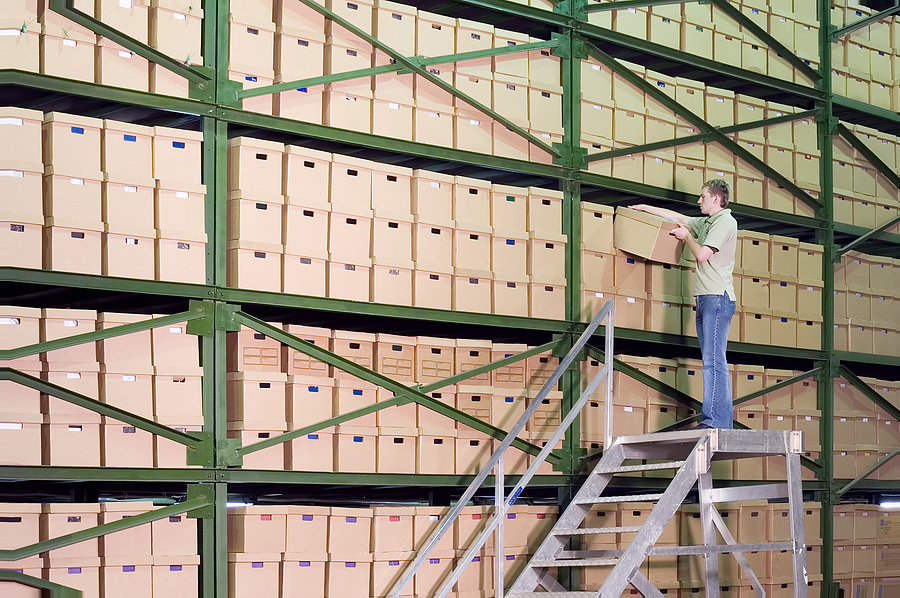
Higher shelving is best suited for archival and storage purposes, where it will only need to be accessed quite rarely in order to save time.