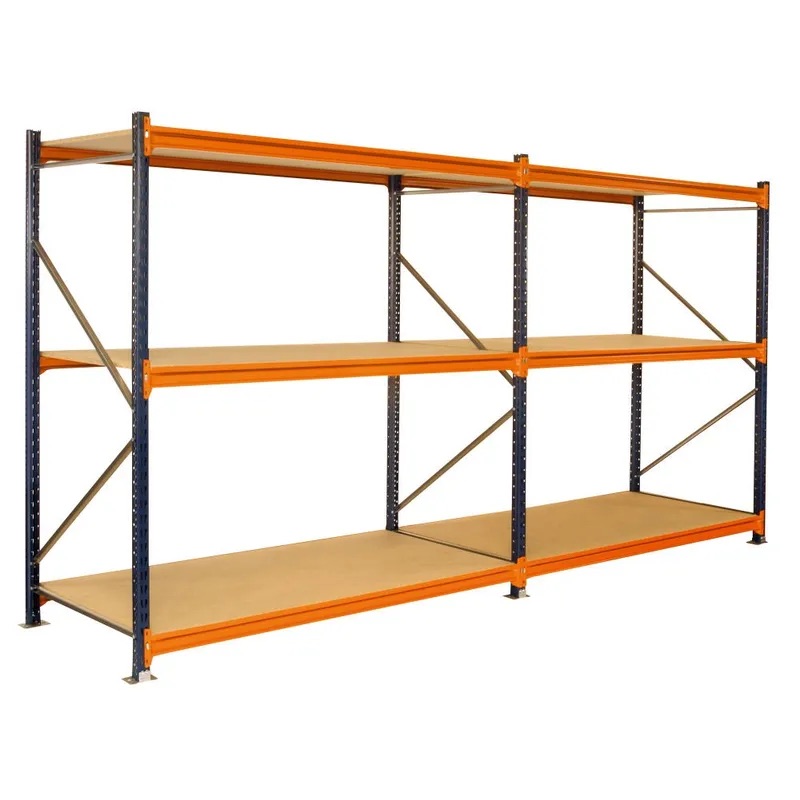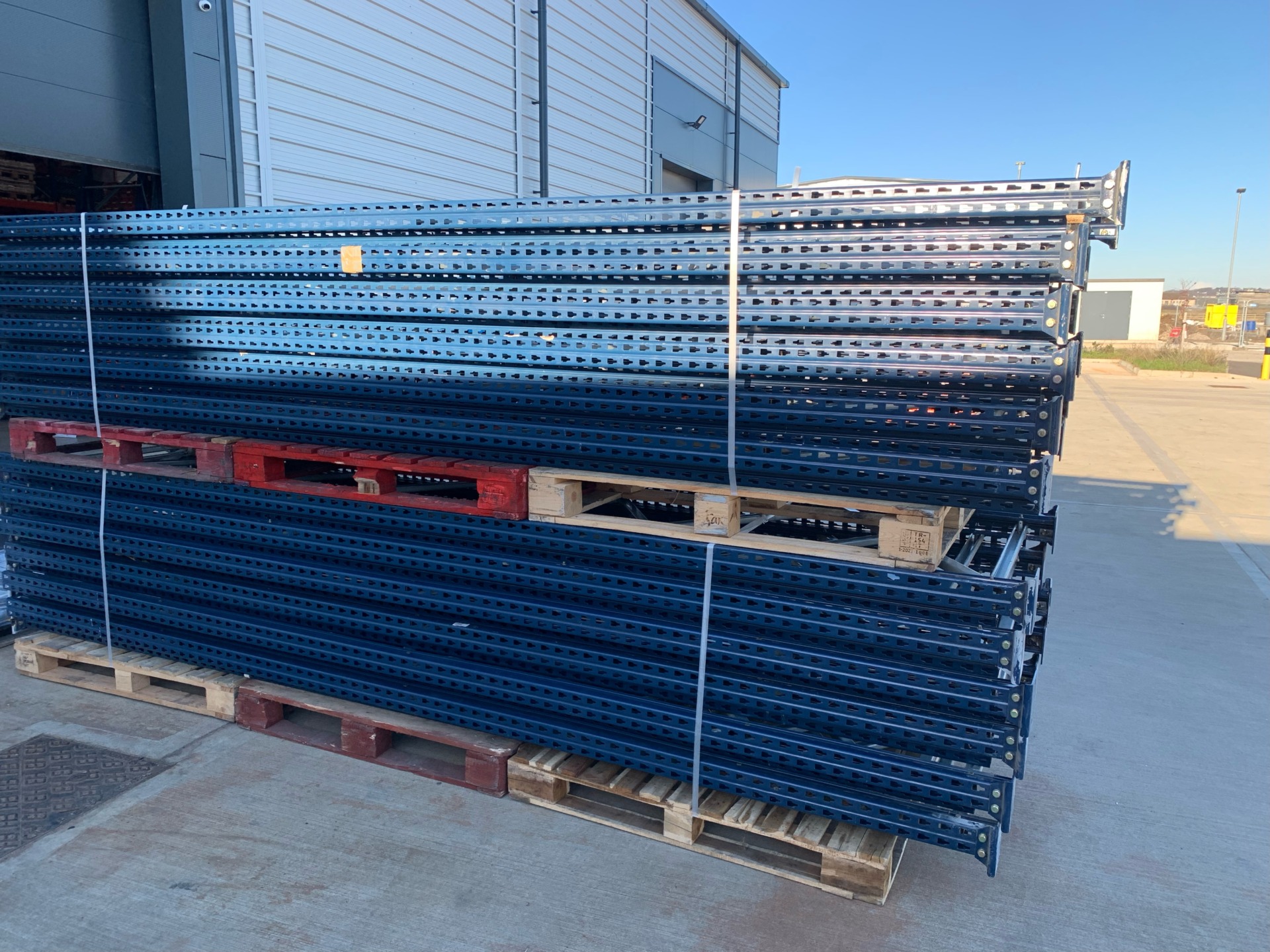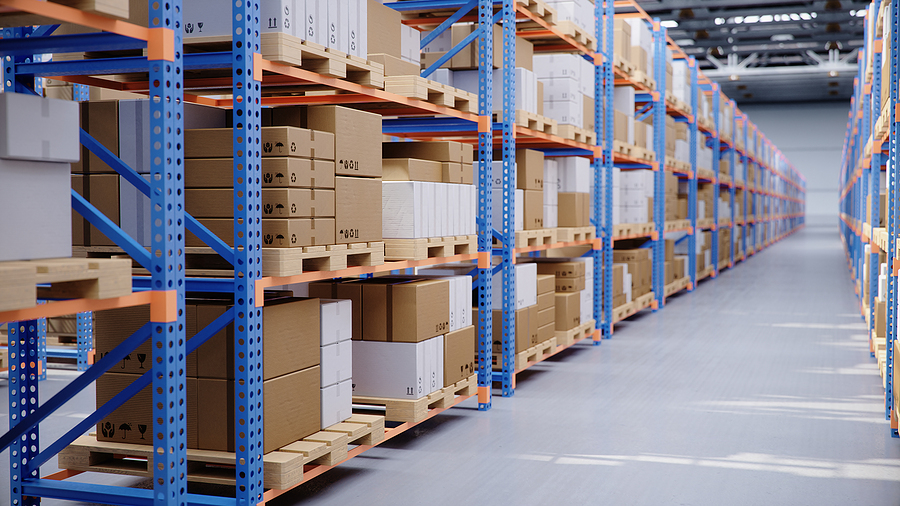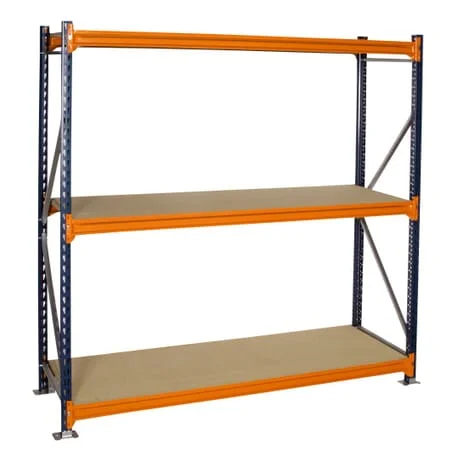
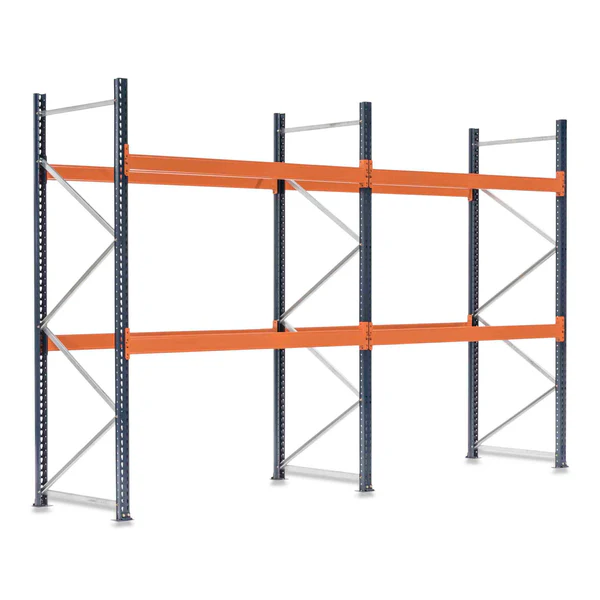

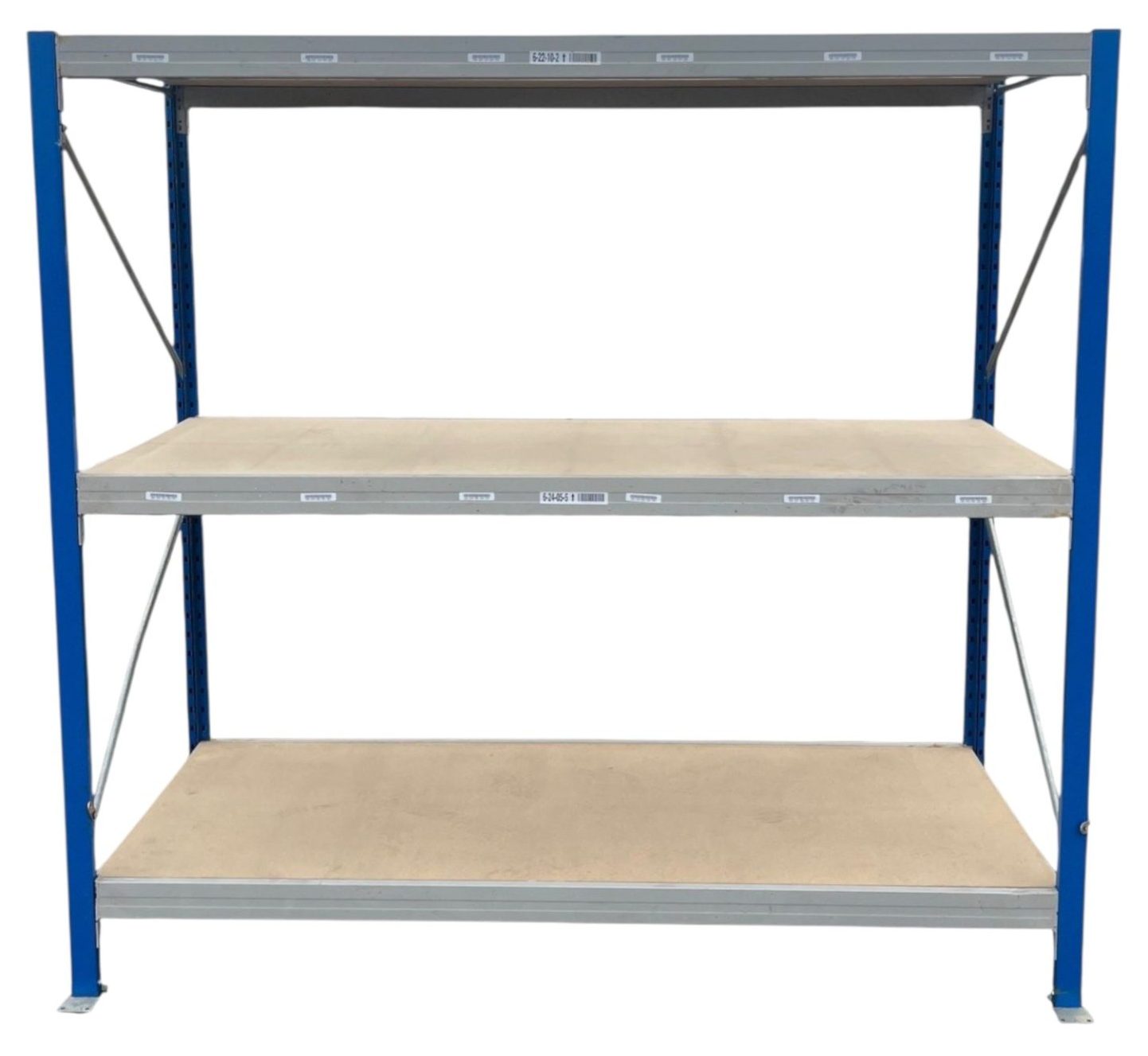


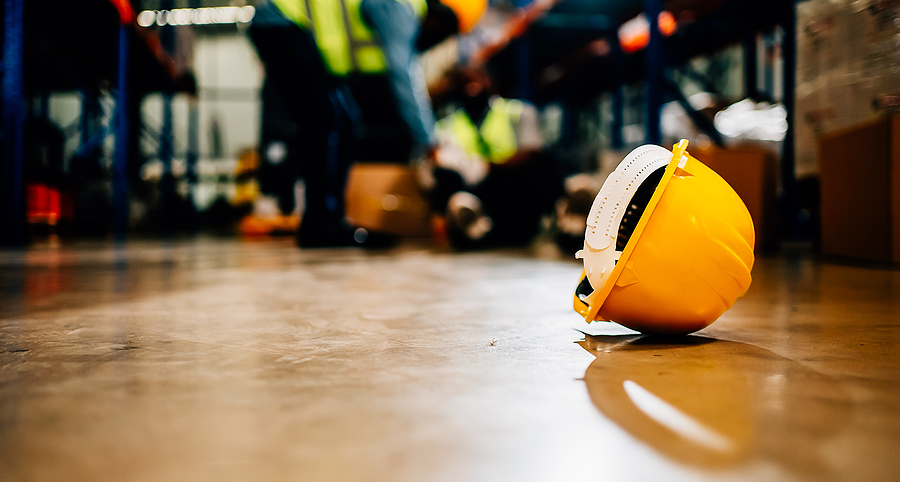
Warehouse staff who work close to longspan shelving every day have a higher risk of injury than employees in other industries, so it is essential that companies prioritise security measures in order to keep their workers as safe as possible.
What are the risks of working in warehouses?
While warehouses can be perfectly safe places to work, this is only if the business makes sure it adheres to health and safety laws.
Otherwise, staff members working for a company that does not have an adequate health and safety strategy could find themselves in danger.
-
Lifting heavy objects
For a start, simply lifting heavy objects could cause them stress and strain, particularly if they have not been trained how to do so.
-
Unsafe loading and unloading of pallets
Similarly, if they have not been shown how to load and unload pallets safely or the best way to stack objects of different heights and weights, they could injure themselves.
It is essential they do not walk on the pallets or even lean on them, as they could easily fall down and hurt themselves.
-
Handling forklifts
Big warehouses require the use of forklifts in order to move and stack items on the shelving. However, according to the British Safety Council, around 1,300 workers in the UK end up in hospital every year after using a forklift.
Therefore, it is important they are given the appropriate training on how to operate a forklift and the heavy goods it handles.
Ways to reduce the risk of injury
These are just a few ways warehouse employees can injure themselves at work, while other dangers include working at height, falling objects, and tripping on the floor.
There are many things companies can do to minimise these risks, including:
-
Adequate training
Appropriate training on how to operate a forklift, how to lift and handle objects, how to remain safe working at height, how to load a pallet correctly, and how to report hazards.
-
PPE
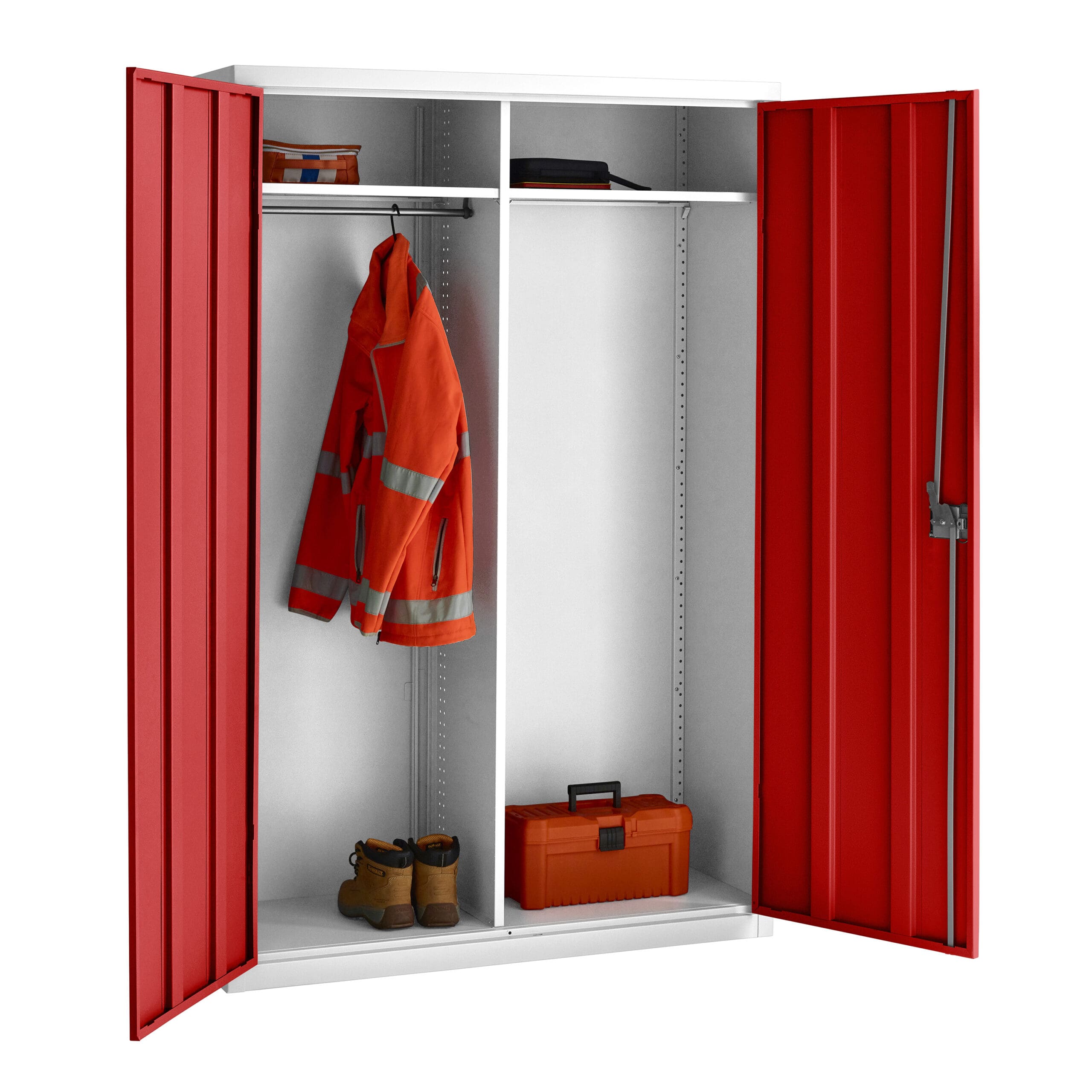
Providing personal protective equipment (PPE) is also a good way to protect staff, offering them hard hats, eye masks, safety shoes, high-vis jackets and hearing protection as the minimum.
-
Use warning signs
It is important to use warning signs when things are not as they should be, such as there has been a spillage on the floor or a piece of equipment is broken. This will alert other employees to avoid this area and stay safe.
-
Safe flooring
Having a slippery or uneven floor could be the cause of lots of injuries for warehouse staff, so make sure to use anti-slip tape or paint and equip employees with anti-slip shoes.
Floors should also be made even, as this will reduce the likelihood of falling when carrying heavy objects to or from the shelves.
-
Regular inspections
With the best intentions in the world, standards can often slip after a while, so it is important to conduct regular inspections to make sure everything is well-maintained and staff are adhering to the safety guidelines appropriately.