

Purpose is at the centre of any warehouse design, and more than perhaps any other building a business may have, their warehouse storage layout must be developed in order to meet the particular needs of the business now and as far in the future as can be foreseen.
The warehouse is the most important part of your facility to get right, as inefficiencies in moving materials in and out of it can have a dramatic impact on your business.
With that in mind, here are the five biggest points to consider when designing your warehouse.
Workflow
The first step when designing a warehouse space is to consider the journey the stock will make from their arrival until their departure.
Often this will involve exploring the movement of staff and stock throughout the warehouse space and aiming to limit the amount of time and space from one step to the next, as well as ensuring that warehouses run in just one direction
The simpler and shorter each stage of the process is, the more efficient and safe it will be, saving a lot of money in the long run.
Equipment Space
Each stage of your warehouse’s workflow will have some form of equipment use, and in order for the warehouse to be managed effectively, that space needs to be taken into account.
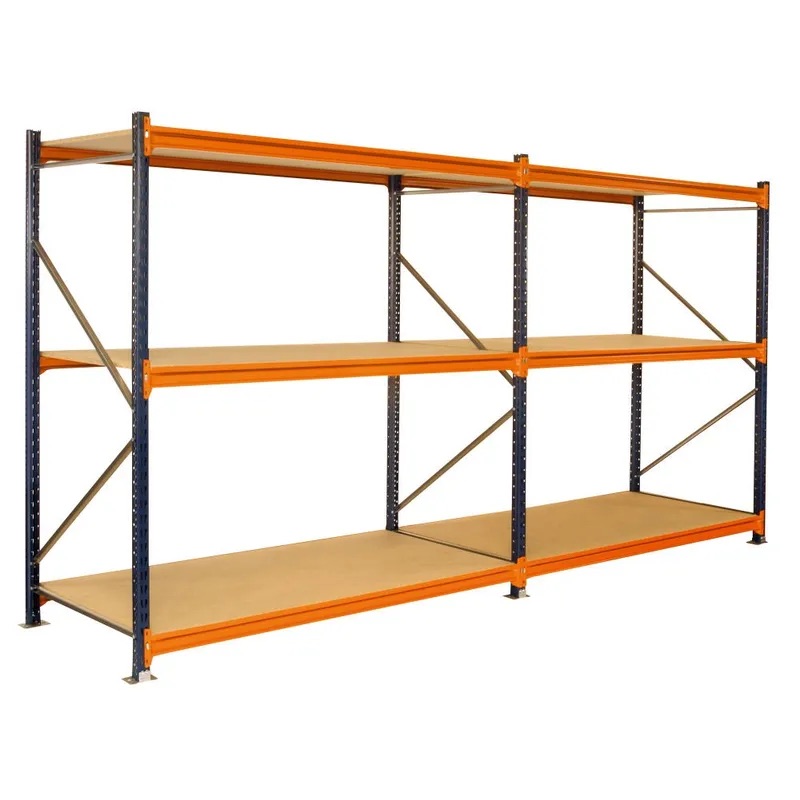
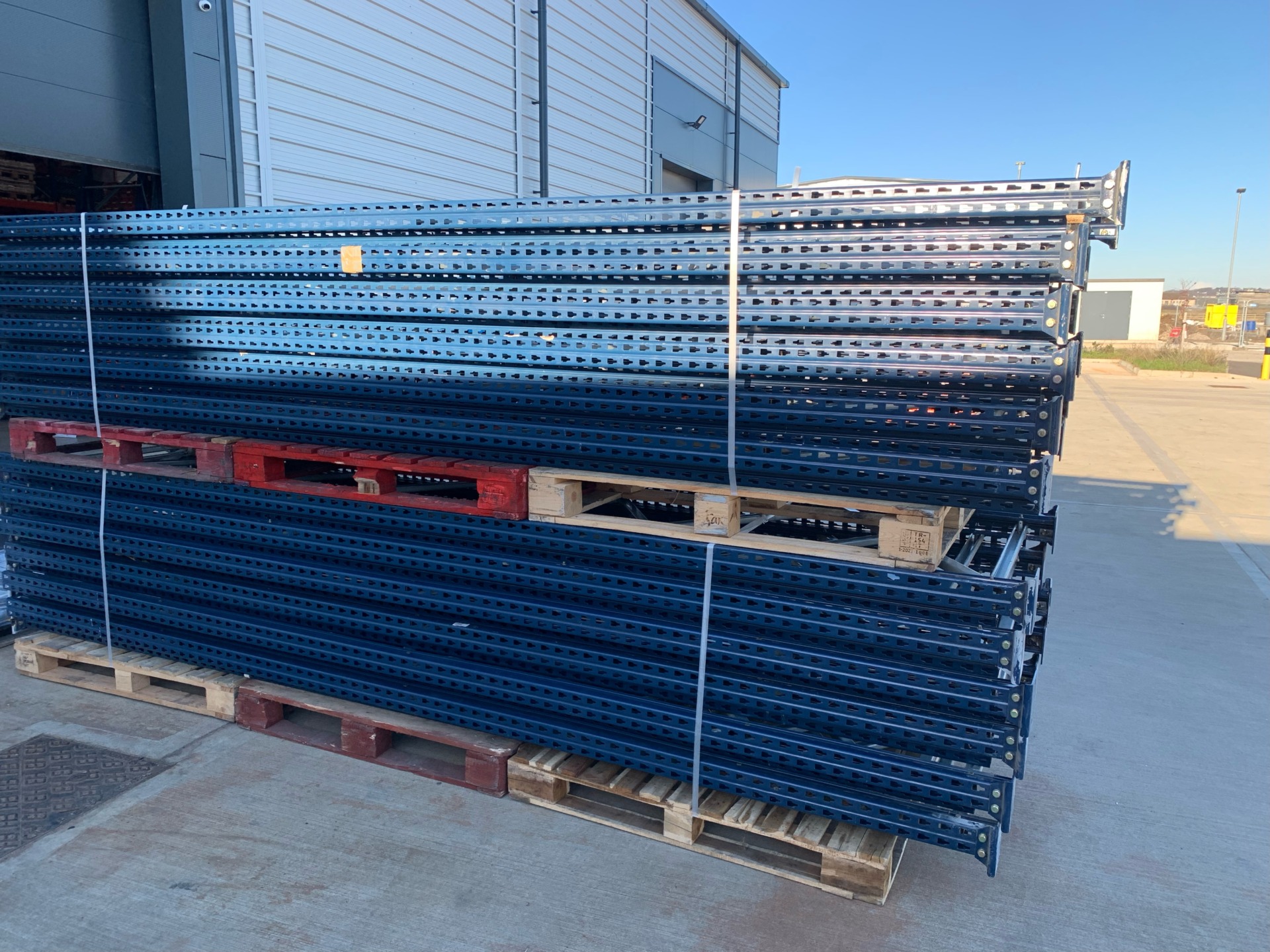
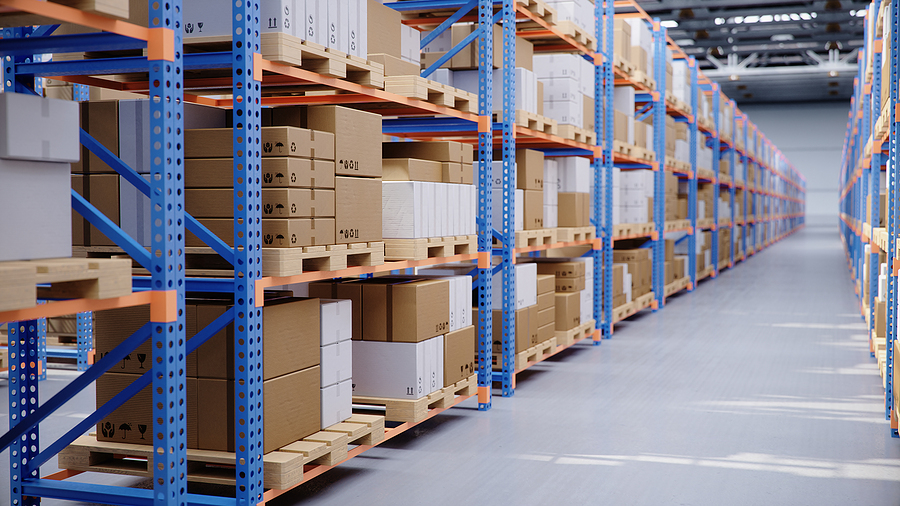
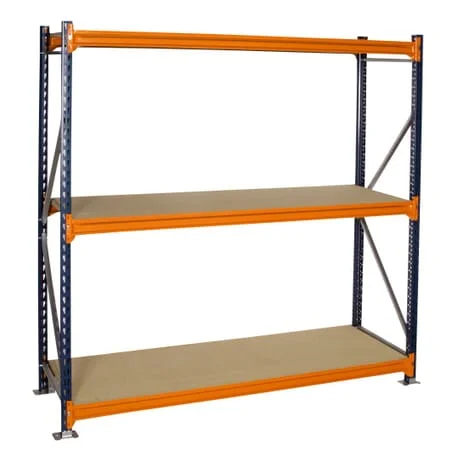
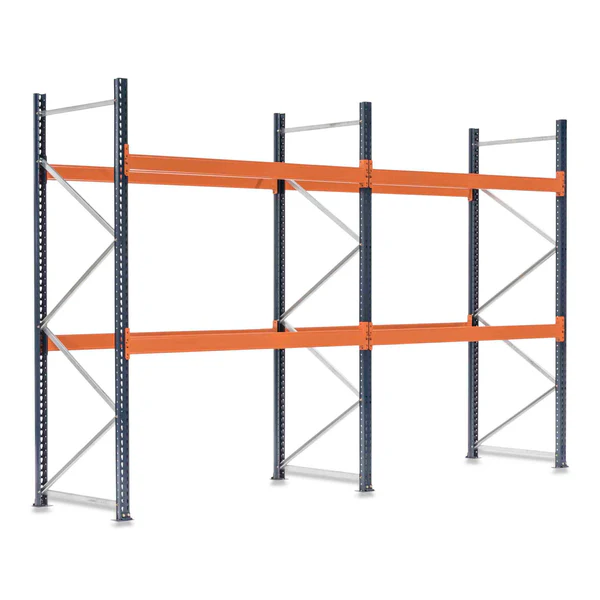
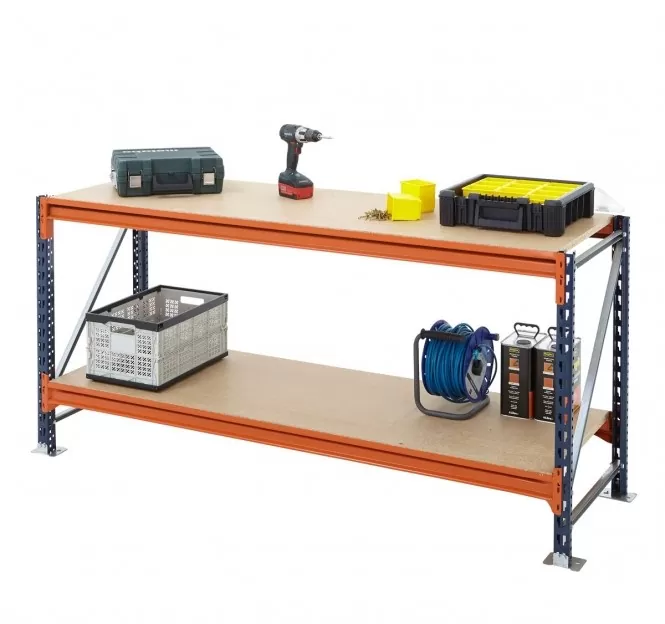
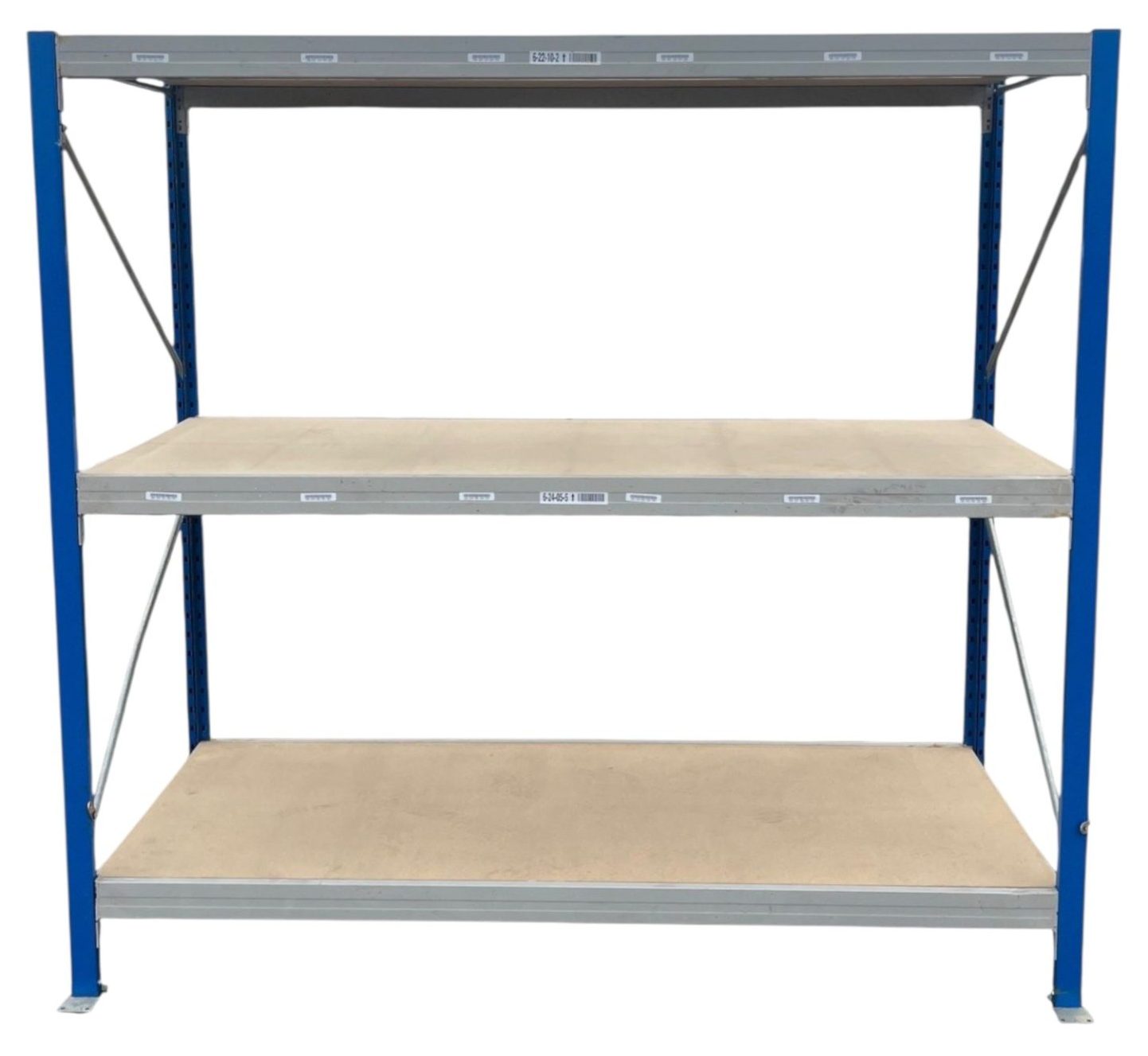
Whilst this primarily factors in equipment needed for picking and packing, manufacture, finishing and other stages of the fulfilment process, it also includes space for forklifts to travel, racking and shelving for inventory and storage space to ensure moving equipment is kept secure.
Movement Flow
Ultimately, staff need to have the ability to move freely and safely around your facility without obstructions or arduous routes. The clearer, simpler and more straightforward your safe productivity routes are, the less risk of an accident caused by an error.
Capacity And Slotting
Depending on the project, there may or may not be a hard limit on the volume of space a designer can use to make an ideal warehouse, but it is essential that this space is used as efficiently as possible.
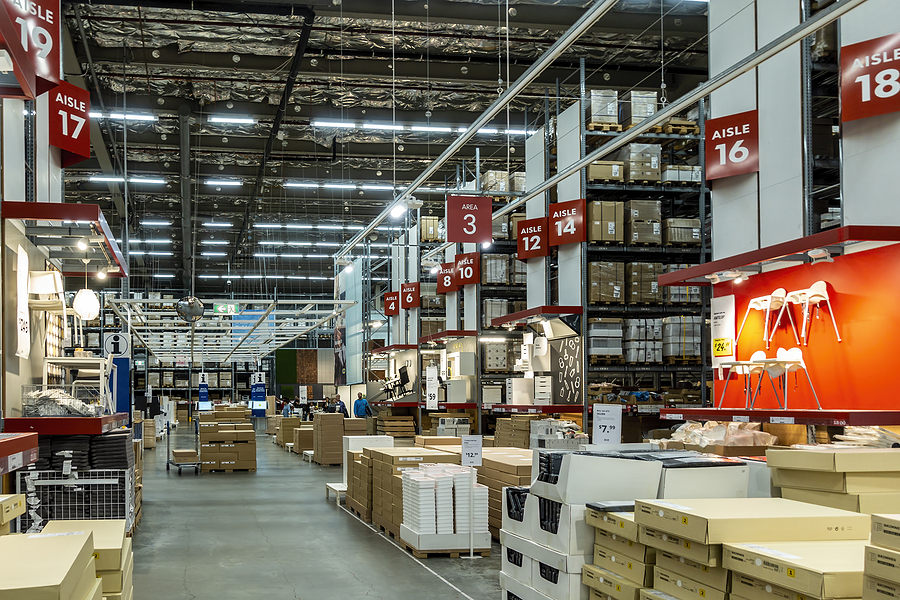
This can sometimes lead to compromises between maximising the amount of horizontal and vertical space used and ensuring that everything that needs to be regularly accessed is within easy reach of employees, such as by ensuring that reach trucks can be safely driven between the aisles.
Room To Grow
Nobody will truly know what the future holds, least of all in business, but a new warehouse design should allow for the possibility that a company may need to pivot or expand, and making these changes as simple as possible removes the need to start from scratch.
For example, seasonal businesses should always build for their peak periods to avoid disruption to the business and use the excess space flexibly at times when the warehouse is not at 100 per cent capacity.
The alternative is either a need to regularly radically reorganise the warehouse space, lease additional storage from elsewhere at considerable extra cost or utilise other company buildings as inefficient, expensive storage.