

The hallmark of the best warehouses is not necessarily having the most space, but making the most of the space they have and utilising it efficiently in the pursuit of business goals.
Due to the growing prevalence of huge warehouse outposts, dark stores and fulfilment centres, it is easy to focus on the biggest warehouses and the particular needs of buildings so huge that clouds can form inside them.
Of course, whilst warehouses are large buildings, not all of them are gargantuan, but what matters is how that space is used, and whether the warehouse is set up in such a way to ensure that efficiency is maximised.
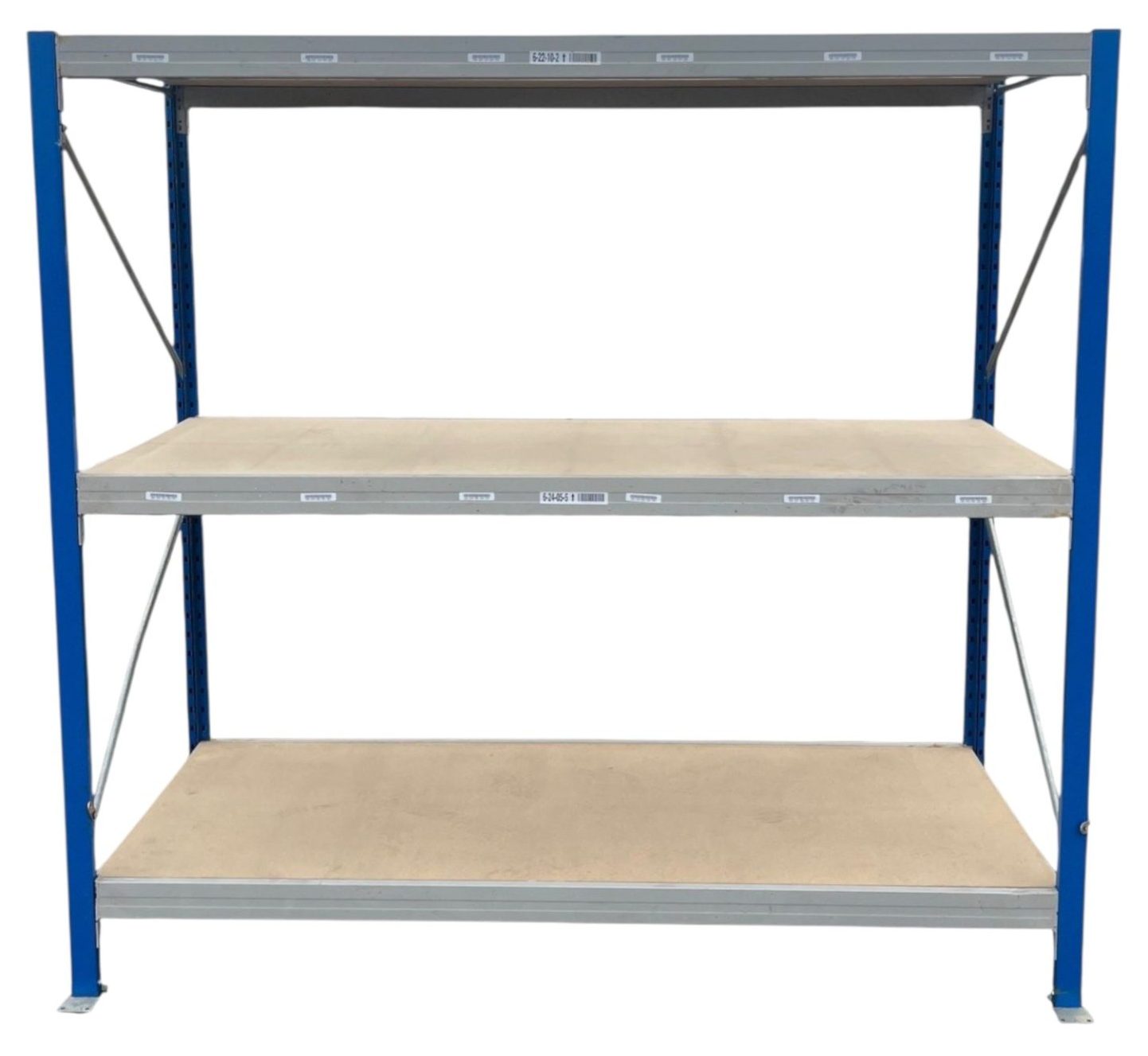
A large building is counterproductive if it takes longer to pick, pack and process goods, so with that in mind, here are some top tips for making the most of the space you have using efficient storage racking solutions.
Focus On The Five Key Areas
Ultimately, every warehouse, regardless of industry, has five key areas that goods and employees will flow through, each representing a phase of the supply chain:
- Incoming, including space for delivery vehicles, facilities for checking in received goods and a system in place to transition goods to the main storage area.
- Storage, an organised area where goods can be easily located, accessed and taken from the receiving areas and into the packing area. This tends to be the largest area of the warehouse and the one that relies most heavily on efficient design.
- Packing, a streamlined zone where pickers can quickly and accurately prepare orders for shipping.
- Outgoing, where orders are packed, wrapped and taken to an outgoing delivery bay for a vehicle to take them to the next stage of the supply chain.
- Service areas, such as offices, break rooms, bathrooms and other facilities necessary for employees to work effectively.
Make sure that any warehouse design has a clear flow between these five primary areas, and that the space allows workers to complete the relevant tasks in said space to the highest possible standard.
Factor In Handling Equipment
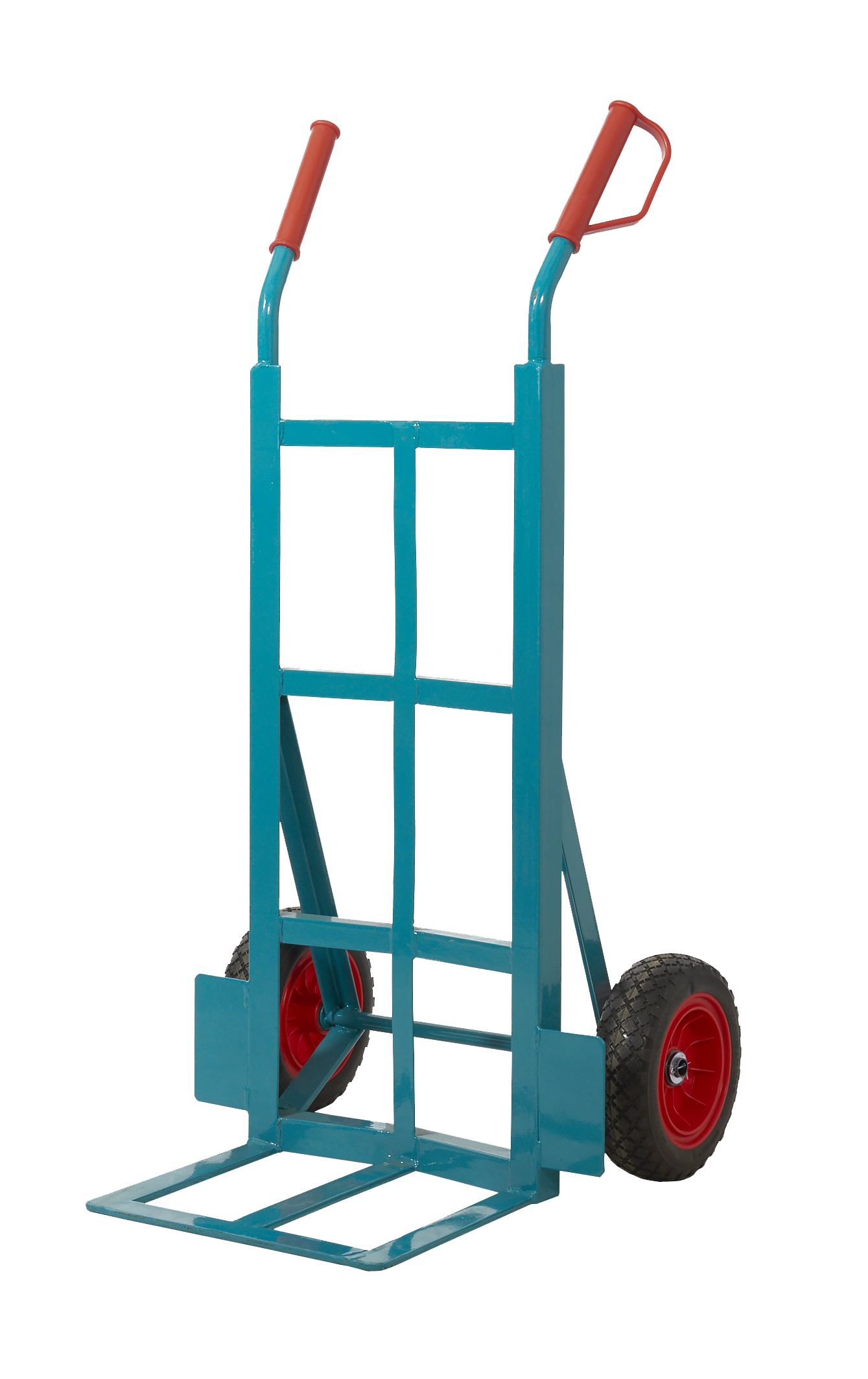
When it comes to an effective workflow, that also includes ensuring that any equipment you use to move goods across the warehouse can safely move through the various zones.
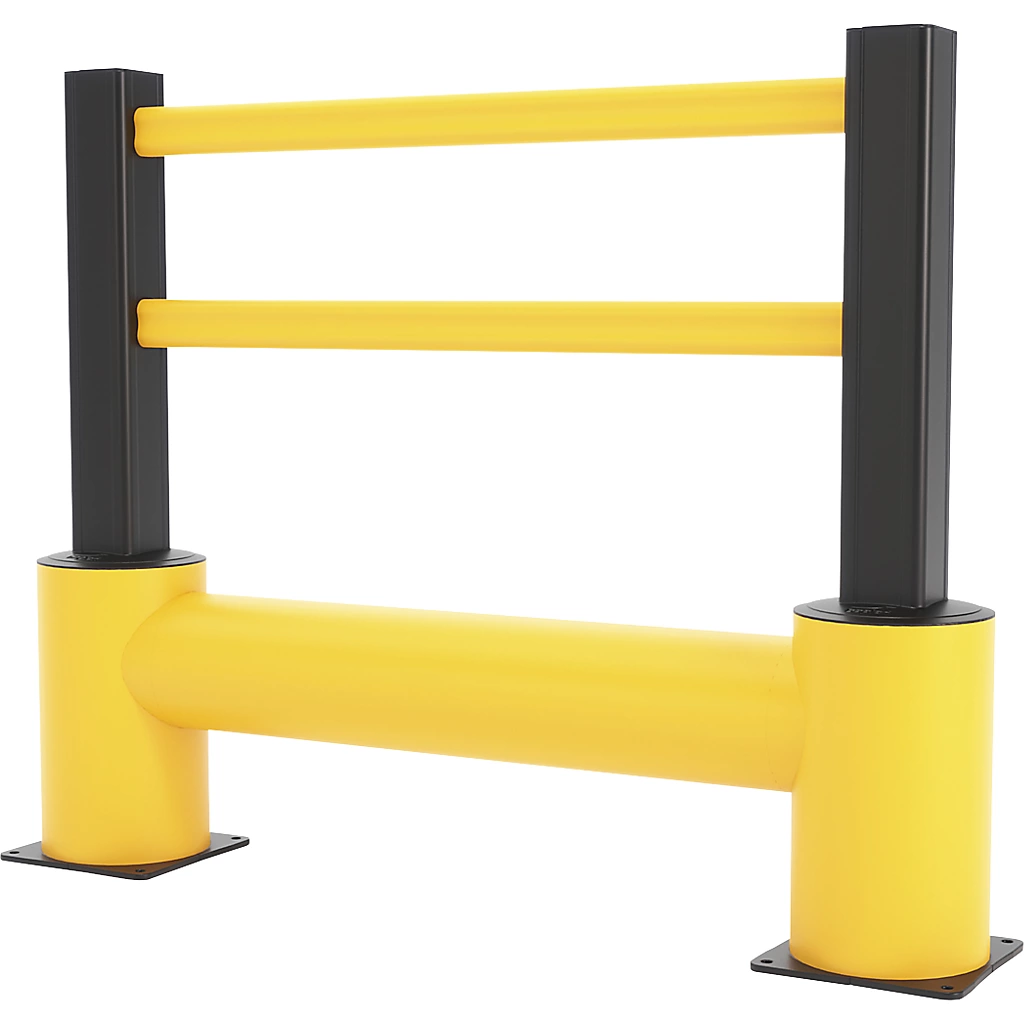
Make sure you have space for your forklifts to work, organise different paths to minimise the potential for pedestrians and forklift traffic to intersect, and clearly signpost and mark which routes are intended for which types of traffic.
Build Up Where Possible
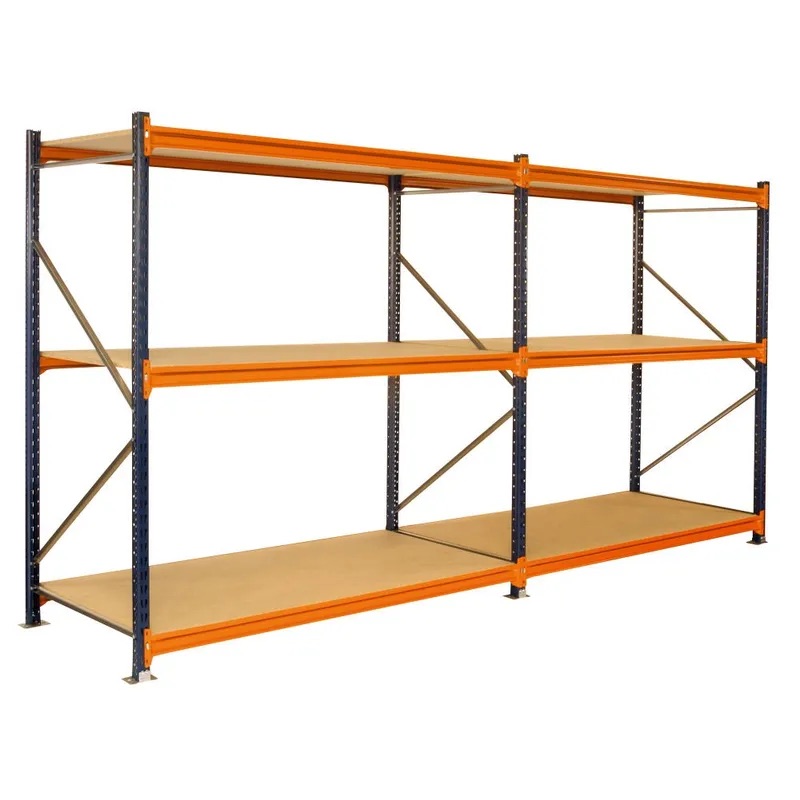
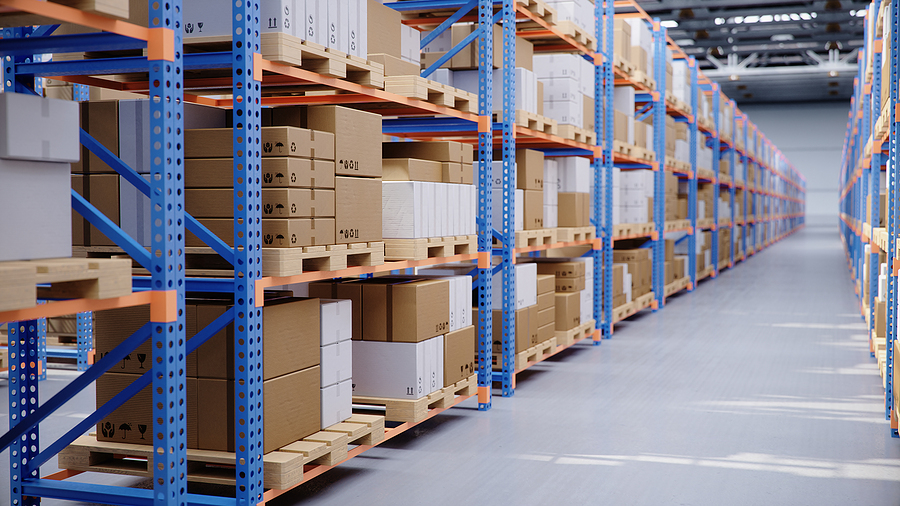
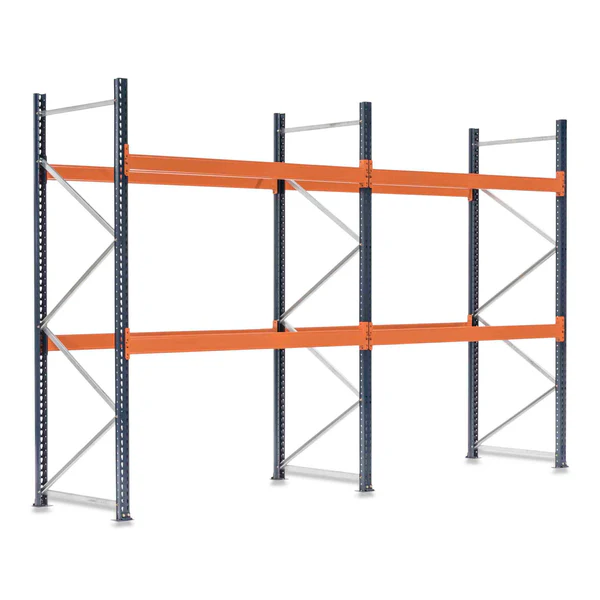
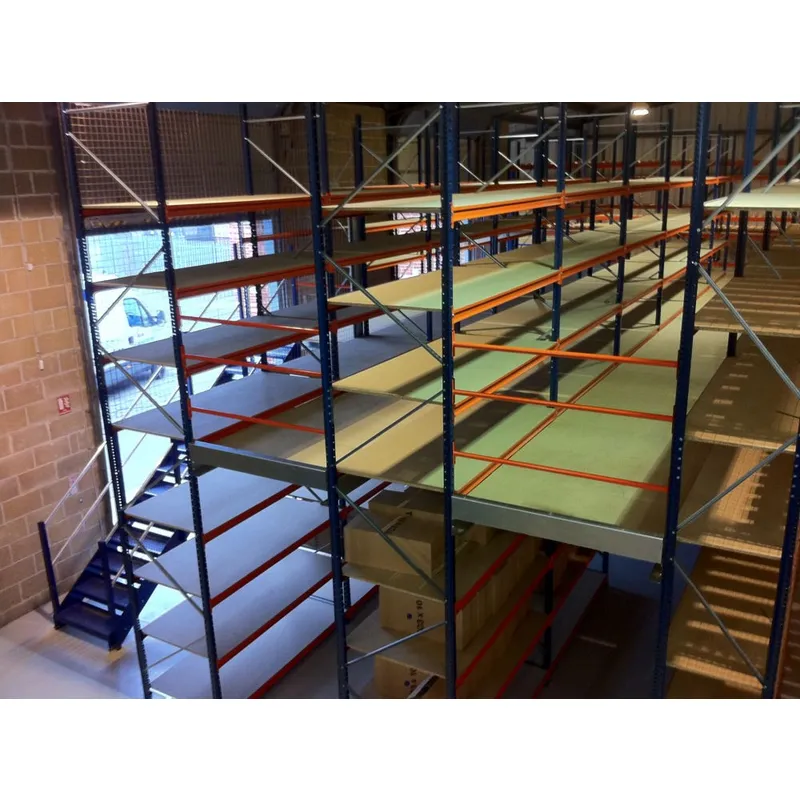
Ultimately, the most efficient way to build a warehouse if you have the equipment to do so is to build upward and make sure you use the full height of a warehouse using heavy-duty racking to stack goods safely.
Of course, this is not always possible, and you will need to leave some space near the roof to allow for goods to safely be taken down, but make the most of the space you have.
Be Flexible To Change
Ultimately, your needs will change as the business world does, and you will need to ensure that the warehouse can be adjusted and amended to meet differing needs for the business at different times, and accommodate for seasonal surges and company growth alike.